Category: Essays
-

How To Make Things Fall Apart
Language, Culture, and Identity in Chinua Achebe’s Things Fall Apart In Decolonising the Mind, Ngugi wa Thiong’oasks, “[w]hat is the difference between a politician who says Africa cannot do without imperialism and the writer who says Africa cannot do without European languages?” (26). For Thiong’o, this was likely a rhetorical question. He vociferously rejects what…
-

TikTok, Totalitarianism, and the Culture Industry
where dreams do not dream: a state of cultural decline “Our mission is to inspire creativity and bring joy,” reads the first line of TikTok’s ‘About Us’ page.[1] A cursory scroll on the platform yields a cultural wasteland of belletristic vacuity and unimpeachable vibes; micro-influencers strategically bite their lips at the climax of songs written…
-
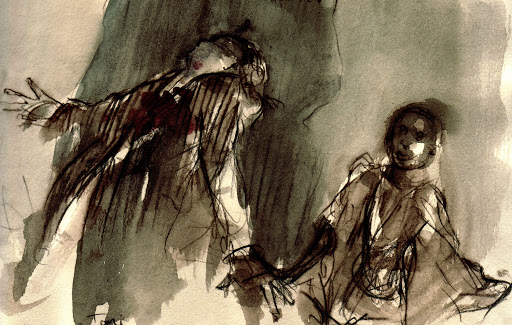
Binaries, Community, and Space: Heinrich Von Kleist
A critical reading of ‘The Betrothal in Santa Domingo’ Set during the Haitian revolution, Heinrich Von Kleist’s The Betrothal in Santa Domingo examines racial politics as vengeful, chaotic, and brutally gendered. Each character is wrought with suspicion of the racial ‘other,’ but the boundaries of race themselves welter into a bloodied confusion, ultimately costing a…
-

John Rawls’ Difference Principle
John Rawls’ Difference Principle, as set forth in Theory of Justice, attempts to bridge the opposing perspectives (of the Left and the Right) that inform socio-economic institutions in order to provide a just organisational mechanism for these institutions.[1] In this paper, I reconstruct Rawls’ Difference Principle (hereafter “DP”) to contend that DP succeeds as a…
-

Al-Sisi’s Egypt and the Fall to Dictatorship
The Middle East’s experiences with sustaining democratic states or backsliding into authoritarianism are of unique theoretical significance. In these post-revolution states, there is much analytical scope to assess the efficiency and vulnerabilities of democratic transitions contemporary to an age where the West has naturalised democracy both as ideal, and the only acceptable pis aller.[1] In…
-

Art, Politics, and Repression
Can ‘Bad Subjects’ Overcome Ideology? With Freud, Althusser, Breton, Geuss and Marcuse “Why is it so hard for men to be happy[?]” Freud asks civilised society.[1] In this paper, I trace how human experience is restrained by social formations, and explore the possibility of ‘overcoming ideology’ through art. Freud submits that there is a “cultural…
-
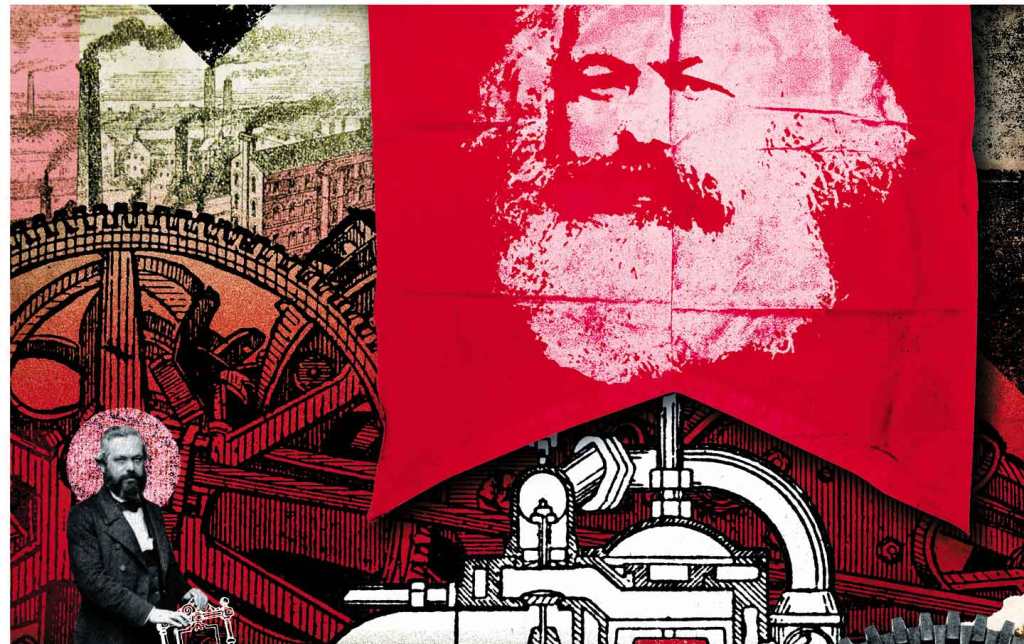
The Marxist Critique of Liberalism
Property, Illusions and Alienation Prompt: “Liberalism (or bourgeois liberty) cannot survive Marx’s critique.” Critically discuss this proposition. In the Communist Manifesto, Karl Marx describes the post-capitalist society as being one where, “[a]ll that is solid melts into air, all that is holy is profaned, and man is at last compelled to face with sober senses…
-
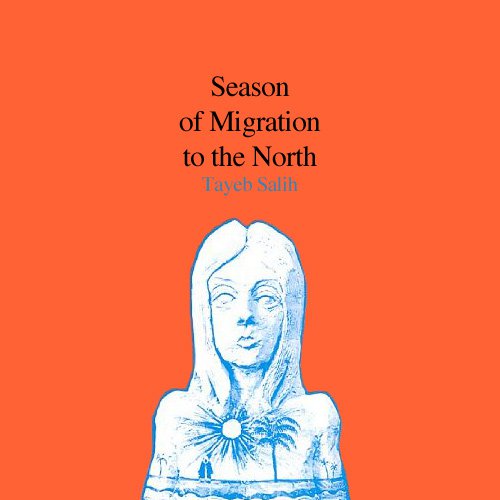
Season of Migration to the North: Butler and Fanon on Power
A near-inescapable reality of collective living is the many processes of power eternally engaged in a campaign to assert their ascendency over individuals’ modes of organisation. Yet the strategies of these power systems are nonlinear, weltering and complex. They extend beyond merely aggregating capital or possessing brutish strength. In this paper I ask, What does…
-

Riots, Rules, and Repercussions
John Gardner’s Asymmetrical Interpretation of the Rule of Law In the wake of George Floyd’s murder by two white police officers earlier this year, the sweeping ‘Black Lives Matter’ protests flared up into riots at several sites. Floyd was a black man facing arrest because of an allegedly fraudulent 20 dollar bill, and a police…
-
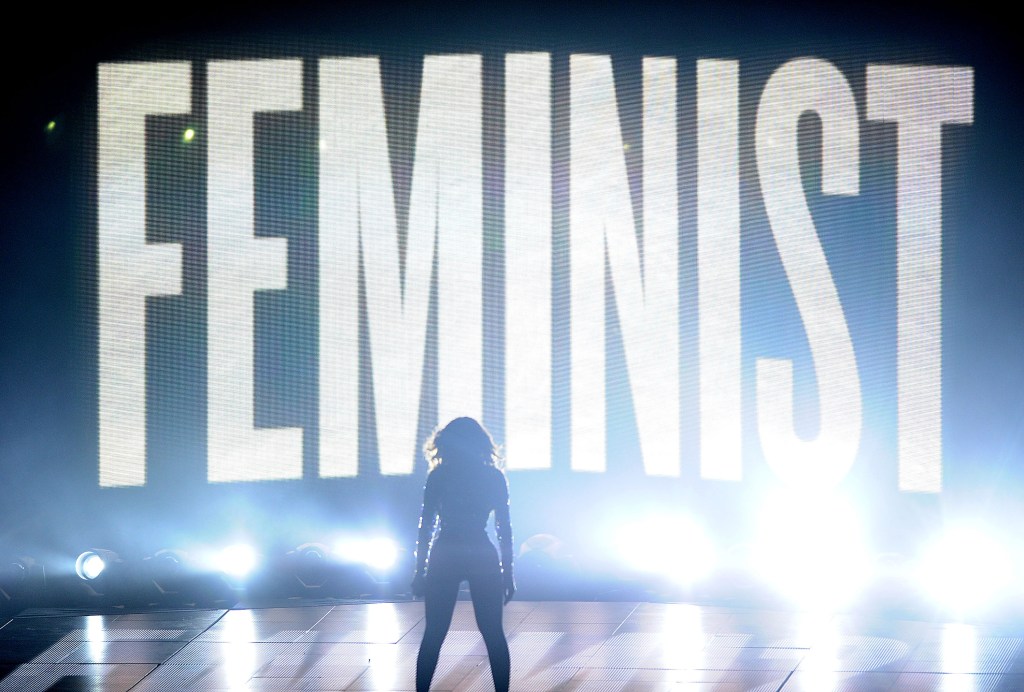
Thirst Traps, Trends and Neoliberalism
Unpacking Young Women’s Representation on Instagram In theory, any young woman with a smartphone and an Instagram account has the ability to control the way she represents herself online. The purpose of this paper is to highlight how the representation of young women (15-22) on Instagram over the past 5 years has been enabled by…
 sanjana sheth